Venice Day Tours
I’m Serious Day Tour Man AI, your day trip expert. Ask me anything — where to go, how to get there, and what’s actually worth your day.
Venice’s newest rule affects visitors before they arrive: on sixty designated days a year, day-trippers pay an access fee to enter the historic center — booked online with a QR code, cheaper in advance, and explained fully in the city block below because even exempt overnight guests must register on those days.
The day-trip radius runs the other direction: glassblowers’ furnaces and rainbow houses across the lagoon, Giotto’s blue chapel forty minutes west behind a climate-stabilization chamber, and Juliet’s city an hour by fast train. The Dolomites question gets its post-Olympic arithmetic.
Here’s what’s worth a day, with real times and honest trade-offs.
Popular Day Trips
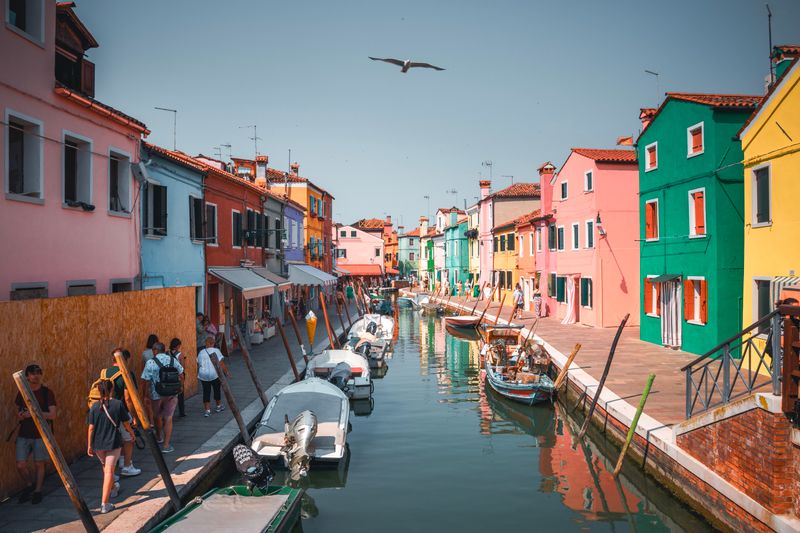
Murano, Burano & Torcello
Glass furnaces, painted houses, and lagoon silence by vaporetto

Padua
Giotto’s chapel on fifteen-minute slots, and Europe’s strangest square
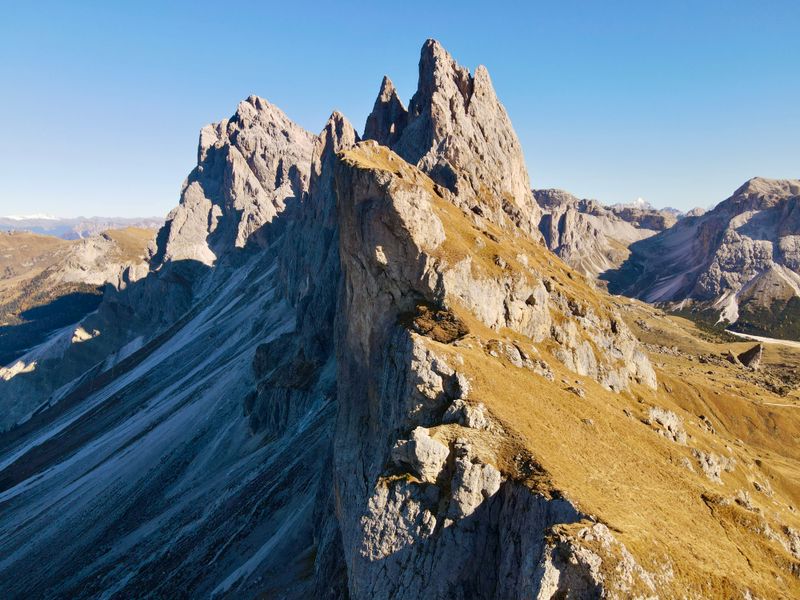
The Dolomites
Doable in a day — if you can tolerate the bus

Chioggia
Venice’s working cousin at the lagoon’s southern gate
The Lagoon Islands — Murano, Burano, Torcello
The classic island day runs on vaporetto line 12 from Fondamente Nove, and the sequencing matters: Murano first (ten minutes out) for the glass — the furnace demonstrations at working fornaci, the Glass Museum’s millennium of technique, and the showrooms where the rule is simple: the real article is signed, certified, and priced like the craft it is, while the bargain-bin “Murano” is usually neither. The lighthouse end of the island keeps the quieter canals.
Burano next (thirty more minutes): the fishermen’s island whose houses run saturated color by regulation and tradition — the most photographed facades in the lagoon, honestly earned — plus the leaning campanile, the lace museum’s needle history (the true burano stitch survives in few hands; the doily stalls are mostly imports, sorted accordingly), and the bussolai butter biscuits eaten walking. The risotto de gò at the island’s institutions is the lagoon’s own lunch.
Torcello last, five minutes on: the near-empty mother island where Venice began — the cathedral’s Byzantine mosaics (the Last Judgment wall and the weeping Madonna justify the trip alone), Attila’s so-called throne, and grass where a city of thousands once stood. The frame: early start beats the Burano midday crush, the three-island sequence fills a satisfying day, and — a current note — the lagoon’s minor islands sit outside the access-fee zone, which simplifies the paperwork for island-focused days.
Read the full Murano & Burano day-trip page.
Padua — Giotto Behind the Airlock
Forty minutes west by regional train (the cheap ones run constantly), Padua holds the fresco cycle that started Western painting’s engine: the Scrovegni Chapel, where Giotto’s 1305 blue vault and Life of Mary and Christ cycles survive so fragilely that entry runs through a climate-stabilization chamber — groups wait fifteen minutes in the airlock while the microclimate equalizes, then get their timed minutes inside. Book ahead on the chapel’s official site (slots sell out days ahead in season; evening openings extend the calendar), arrive early for check-in, and know the visit is short by design — the room does more in fifteen minutes than most museums do in three hours.
The city around it takes the rest of the day: the Basilica of St. Anthony’s pilgrim machinery (Donatello’s bronzes at the altar, the relic chapel’s queue moving with practiced devotion), the Palazzo della Ragione’s vast medieval hall over the market squares, the university’s anatomical theatre — the world’s first, wooden and vertiginous, toured with the Bo’s Galileo lectern — and the Prato della Valle’s elliptical statue-ringed expanse, Italy’s largest square and its most underrated evening.
The eating layer: the Piazza delle Erbe market’s white asparagus in season, spritz at its Paduan birthplace prices, and the caffè Pedrocchi’s historic rooms. The frame: chapel slot first, city built around it — the most art for the money of any day in the Veneto.
Read the full Padua day-trip page.
Verona — The Arena and the Balcony
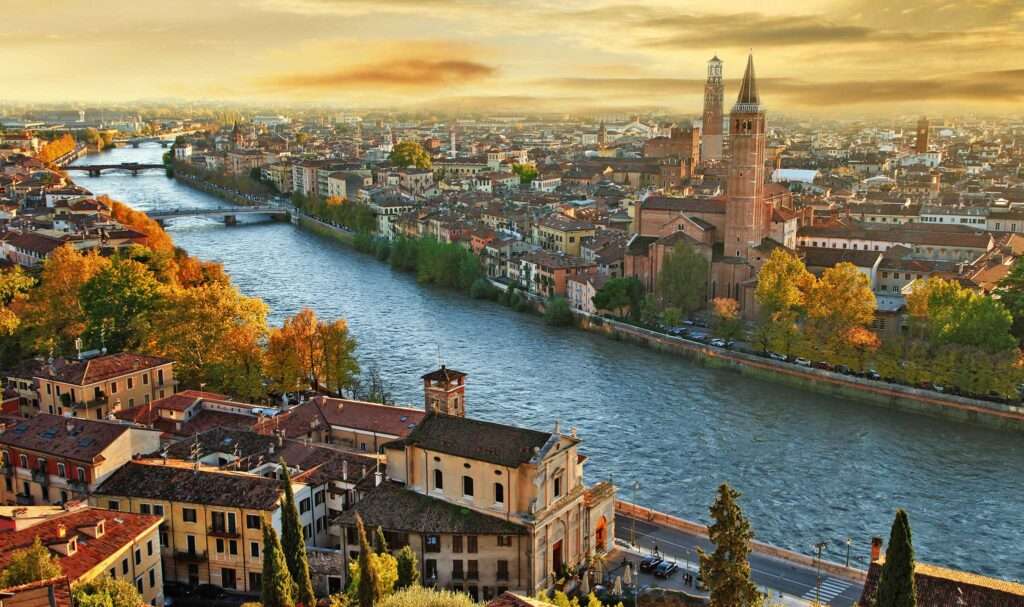
An hour west by fast train (regionals take a bit longer and cost half), Verona layers Roman scale under Renaissance streets: the Arena — the third-largest Roman amphitheater standing, and the only one that spends its summers staging opera under the stars (the festival runs mid-June to early September; book the productions ahead, rent the cushion, and take the cheap stone steps at least once) — anchors Piazza Bra, with the pink-marble Liston promenade curving past.
The circuit: Piazza delle Erbe’s market-and-fresco ensemble, the Lamberti tower’s lift-assisted panorama, the Scaliger tombs’ Gothic extravagance, and Castelvecchio — the Scala fortress whose Carlo Scarpa-designed museum is a pilgrimage for architects and a pleasure for everyone else — leading to its crenellated bridge over the Adige. Across the river, the Roman theatre’s hillside and the Giusti Garden’s cypress terraces handle the quiet hours.
The Juliet honesty: the balcony is a 1930s addition to a house with no Capulet connection, the courtyard runs shoulder-to-shoulder by late morning, and the bronze statue’s polished breast says everything about the ritual — see it in ninety seconds if the story matters to you, and spend the reclaimed hour at Castelvecchio. The frame: Verona fills a rich day solo; pairing it with Lake Garda’s Sirmione (thirty minutes on) builds the ambitious version.
The Prosecco Hills — Conegliano to Valdobbiadene
An hour north, the UNESCO-listed Prosecco hills run the Veneto’s gentlest wine day: the hogback ridges between Conegliano and Valdobbiadene, terraced so steeply the growers call it “heroic viticulture,” with the Strada del Prosecco winding villages, hilltop churches, and tasting rooms into one green circuit. The register here is spritz-adjacent but serious: the DOCG designation tops the prosecco pyramid, the Cartizze cru is the connoisseur’s pour, and the col fondo bottles — cloudy, bone-dry, re-fermented in bottle — show what the region drinks itself.
The mechanics: this is car-or-driver territory (the wine road defeats rail; small-group tours from Venice handle it, and the designated-driver rule settles before the first flute), tastings at the family wineries book ahead with a call or form and cost a fraction of famous-region prices, and the osteria lunch — tagliatelle, sopressa, a hillside terrace — is half the argument.
The stops that anchor it: the Molinetto della Croda’s watermill, San Pietro di Barbozza’s cru lanes, the Cison di Valmarana village polish, and the viewpoint at Santo Stefano where the terraces do their amphitheater act. The frame: two tastings, one long lunch, zero hurry — the exhale day of the Veneto, best in the gold light of September’s harvest weeks.
The Dolomites Question — After the Games
Cortina d’Ampezzo sits two-plus hours north, freshly re-famous as a 2026 Winter Olympics host, and the honest arithmetic survives the headlines: the Dolomites’ argument — the Tre Cime circuit, the Cinque Torri, Lago di Braies’ rowboats, the pale towers at dawn and dusk — lives at exactly the hours a Venice day trip can’t reach. The single-day version buys five hours of road for a lunch-hour look at scenery built for slow light, and the post-Games polish (upgraded lifts and venues) doesn’t change the geometry.
The verdicts: give the Dolomites an overnight minimum — Cortina or the Alta Badia villages flip the trip from windshield tour to the thing itself, with the Faloria or Tofana lifts opening the balconies — or, for a committed single day, target one objective: Lago di Braies at the earliest arrival (its summer access runs managed and pre-booked at peak — check current rules), or the Cinque Torri loop via the Passo Falzarego lift, and accept the drive as the price. Winter changes the products entirely; the Games’ legacy calendar keeps some venues busy, worth checking against travel dates.
The alternative stated plainly: travelers wanting the most mountains for the least travel from a Venice base do better with Verona-plus-Garda or the Prosecco ridges, and should save the pale mountains for the trip that sleeps under them.
Read the full Dolomites day-trip page.
The Access Fee, the Gondola Truth & Venice Itself
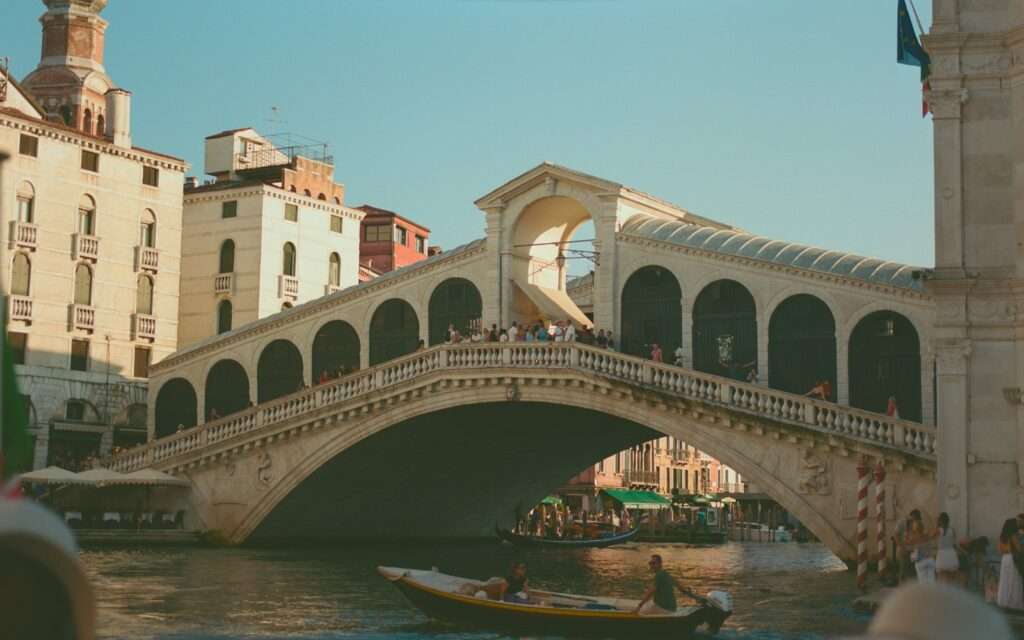
The access fee, current and exact: on designated peak days — in 2026, sixty of them between early April and late July, mainly Fridays through Sundays plus a few full holiday weeks — day visitors to the historic center pay the Contributo di Accesso: €5 per person booked at least four days ahead, €10 closer in, ages 14 and up, covering entry between 8:30 a.m. and 4 p.m., with a QR code issued at the official cda.ve.it portal (tobacconists and the station sell it too). The exemptions that confuse everyone: overnight guests anywhere in the municipality don’t pay — their hotel tax covers it — but must still register an exemption for fee days; the minor islands sit outside the zone. Check the calendar, book the code, and the checkpoint is thirty seconds.
The gondola truth: rates are fixed by the city — a set price per 30-minute ride (higher after dark), per gondola not per person, splitting among up to five — so the negotiation is about route, not price; the back-canal routes beat the Grand Canal traffic; and the €2 traghetto ferry crossings deliver the standing-in-a-gondola experience for pocket change. The vaporetto math: single tickets sting, the 24/48/72-hour passes pay for themselves by the third ride, and line 1 down the Grand Canal at dusk is the city’s best cheap spectacle.
The living city: San Marco’s basilica runs timed entry booked ahead (the terrace horses justify the supplement) with the Doge’s Palace secret-itineraries tour as the connoisseur’s ticket; acqua alta is a forecastable tide event managed with raised walkways and apps, not a catastrophe — check the forecast in autumn–winter and pack accordingly; and the quiet city survives in Cannaregio’s fondamente, Castello’s laundry-strung lanes, and Dorsoduro’s Zattere at golden hour. Eat cicchetti standing at bacari (the crawl is the meal), drink the spritz with the local bitter question answered by taste, and treat the sit-down menus within sight of San Marco as the tax they are. Season math: Carnival (the weeks before Lent) and the access-fee spring weekends are the density peaks; November–January’s fog and tide season is the connoisseur’s Venice; and the first vaporetto of the morning, any season, shows you the city everyone came for.
Full day-trip pages: Chioggia.
Frequently Asked Questions
How does the Venice access fee work?
On designated peak days (sixty in 2026, early April to late July), day visitors 14-plus pay €5 booked four-plus days ahead or €10 late, for 8:30 a.m.–4 p.m. entry, via QR code from the official cda.ve.it portal. Overnight guests are exempt but must register on fee days; the minor islands are outside the zone.
How do you visit the Scrovegni Chapel?
Timed slots booked ahead on the chapel’s official site — entry runs through a fifteen-minute climate-stabilization chamber before your minutes inside Giotto’s cycle. Slots sell out days ahead in season; evening openings extend the calendar.
Which lagoon island order is best?
Murano first for the furnaces, Burano second before the midday crush, Torcello last for the mosaics and the quiet. Line 12 from Fondamente Nove strings them; the certified-glass rule protects your wallet on Murano.
Are the Dolomites doable in a day from Venice?
Technically — five hours of road around a midday look at scenery built for dawn and dusk. Give them an overnight in Cortina or Alta Badia, or commit the day to one objective like Braies (check its managed-access rules) and accept the drive.
How much does a gondola actually cost?
City-fixed rates per gondola, not per person — a set fee per 30 minutes, higher after dark, split among up to five riders. Negotiate the route, not the price; the €2 traghetto crossings offer the sixty-second version.